Your cart is empty


How to Build a Blood Sugar-Friendly Plate

When it comes to blood sugar, most people focus on what not to eat: “Don’t eat sugar. Cut carbs. Skip the bread.” This can be a great way to get started and establish new boundaries (plus, everything in moderation is a good rule in general). However, complete elimination of certain foods isn’t always a sustainable (or necessary) strategy. The truth is, you don’t need to eliminate entire food groups to support healthy blood sugar. You just need to know how to build a better plate.
Whether you're trying to feel more energized throughout the day, manage weight, or trying to be more healthy in general, your blood sugar balance plays a key role. The way you build your meals can make a bigger impact than you might think. So let’s build some plates!

Why Blood Sugar Balance Matters
When you eat a meal, especially one high in carbohydrates, your blood sugar naturally rises. Your body responds by releasing insulin to help shuttle that glucose into your cells for energy or storage.
That’s normal and healthy. But here’s where it gets tricky:
If your meals spike blood sugar too quickly (think: sugary drinks, white bread, or large portions of refined carbs on their own), you might experience a steep rise and crash. That spike and dive in blood sugar can cause:
- Energy dips
- Cravings
- Brain fog
- Mood changes
- An increased likelihood of developing insulin resistance when repeated over time
The goal isn’t to eliminate carbs altogether. Instead, the goal is to make smart choices with food and movement to slow the blood sugar response so your energy stays steady, your focus stays sharp, and your body functions optimally.
What Makes a Plate Blood Sugar-Friendly?
Here’s a simple list for what a blood sugar-friendly plate typically includes:
- Protein
- Fiber-rich carbs
- Healthy fats
- Non-starchy vegetables
- Hydration (I’ll talk about this one at the end)
Let’s unpack each component.
1. Protein: The Anchor of the Plate

Protein slows digestion, helps you feel full for longer, helps reduce post-meal blood sugar spikes, and supports muscle maintenance. It’s the macro that stabilizes your plate.
✔️ Examples of High Protein Foods:
Grilled chicken, eggs, tofu, Greek yogurt, fish, lean beef, cottage cheese, tempeh
🎯 Aim for: 20–40g of protein per meal, depending on your size and activity level.
2. Fiber-Rich Carbs: Not All Carbs Are Created Equal
Carbs aren’t the enemy, but fast-digesting, low-fiber carbs can lead to rapid blood sugar spikes. Fiber slows down how quickly glucose enters the bloodstream.
✔️ Better Carbohydrate Options:
Quinoa, oats, lentils, beans, sweet potatoes, berries, brown rice
⛔ Less Ideal Options (when eaten alone):
White bread, sugary cereals, pastries, soda, fruit juice
3. Healthy Fats: Slow and Steady
Fats don’t spike blood sugar and they help you feel fuller longer. They also support hormone health and the absorption of fat-soluble vitamins.
✔️ Great Sources of Healthy Fats:
Avocado, olive oil, chia seeds, nuts, nut butters, flaxseed, fatty fish
🎯 A little goes a long way: add a thumb-sized portion to most meals.
4. Non-Starchy Veggies: Volume + Fiber

Vegetables like leafy greens, broccoli, bell peppers, cauliflower, and cucumbers add bulk, fiber, and micronutrients without contributing much to the blood sugar equation. They also help slow digestion when paired with carbs.
📌 Pro Tip: Try eating your veggies first in the meal. Research shows this order helps reduce post-meal glucose spikes.
5. Hydration: Don’t Overlook the Basics
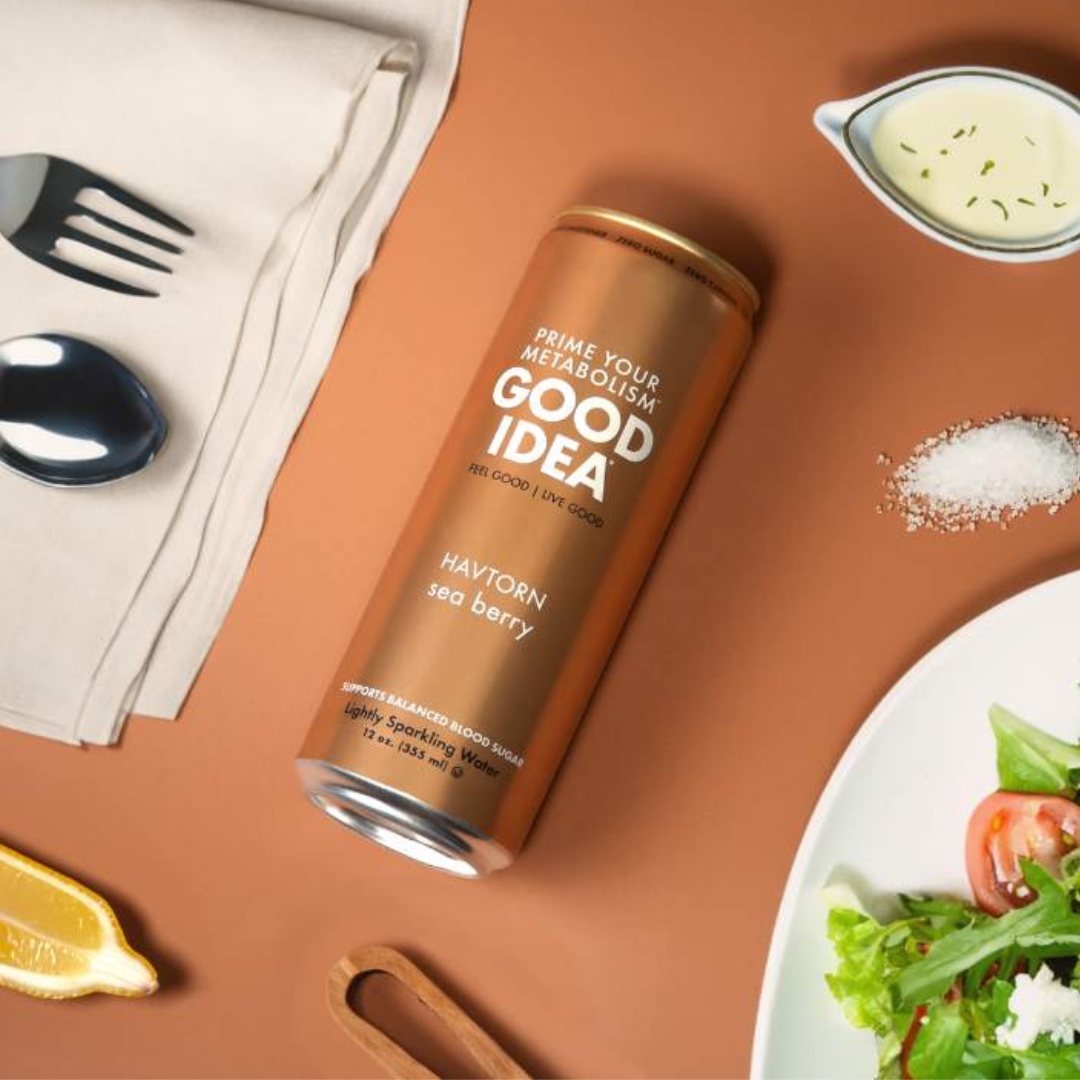
Dehydration can impact how your body handles carbs. Pair your meals with a blood sugar-friendly beverage like GOOD IDEA, which contains chromium picolinate and amino acids shown to help reduce the post-meal blood sugar rise.
Sample Blood Sugar-Friendly Plates
Let’s make this practical. Here are a few balanced meal ideas:
🍳 Breakfast:
Spinach and cheese omelet + half a sweet potato
🥗 Lunch:
Grilled salmon + quinoa + roasted Brussels sprouts + avocado slices + GOOD IDEA sparkling water
🌮 Dinner:
Ground turkey lettuce tacos with black beans, pico de gallo, and a side of grilled zucchini
🍽️ Snack:
Greek yogurt + chia seeds + raspberries + cinnamon
The Bottom Line

Healthy diets are only helpful if they are sustainable and realistic. Thinking about how you build your plates can be a great strategy.
A blood sugar-friendly meal doesn’t eliminate your favorite foods, it’s balances them. It fuels your day and protects your long-term health.
And the best part? Once you get the hang of it, it becomes second nature.
Looking for a simple way to improve blood sugar at your next meal?
Start with your beverage. GOOD IDEA is a sparkling water that’s been clinically shown to reduce the blood sugar spike from food by an average of 25% while simultaneously boosting GLP-1 naturally.

Author: Dr. Colleen Gulick, Ph.D. (ExPhys), MS (ExPhys), BS (BioE), EIT (ME), CSCS
Keep Learning
The Science-Backed Way to Boost GLP-1 and Control Blood Sugar—Naturally
- Choosing a selection results in a full page refresh.